

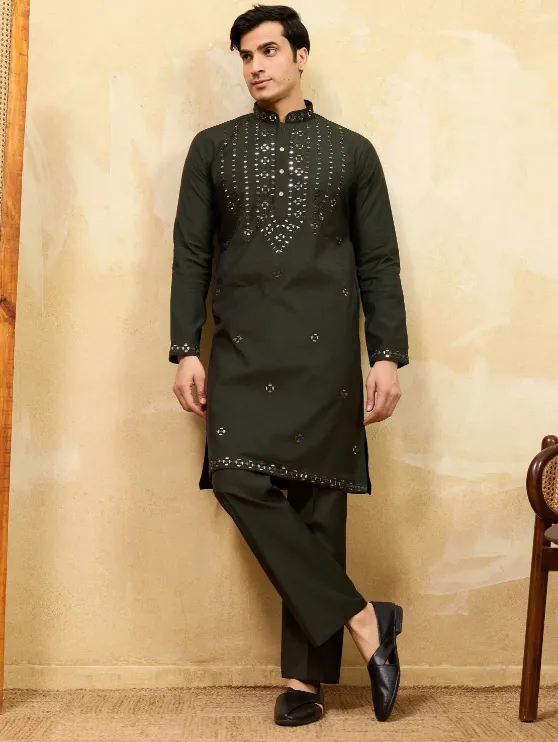
An Indian wedding rarely means dressing for just one function. From a relaxed mehendi to the main ceremony and reception, choosing wedding dresses for men becomes easier when each outfit has a clear role rather than trying to make every look equally formal.
The aim is variety without excess. Changing colour, layering, fabric, and accessories can give every event its own identity while keeping the overall wedding wardrobe practical.
Give Each Function a Different Level of Formality
Start by ranking the events. A daytime haldi or mehendi usually needs comfort and colour, while the wedding ceremony calls for more structure. The reception can then move toward deeper shades, sharper tailoring, or richer surface detail.
This approach prevents the common problem of wearing heavily embellished clothing for every function. It also makes photographs from different events feel more distinct.
A useful progression could be:
-
Haldi: light kurta with comfortable trousers
-
Mehendi: brighter colour or subtle print
-
Sangeet: textured kurta with a jacket
-
Wedding: formal kurta set with a stole or refined layer
-
Reception: darker palette with polished footwear
Use Colour to Separate One Event From Another
Colour is one of the simplest ways to avoid repetitive wedding looks. Instead of buying several outfits in similar jewel tones, spread the palette across the schedule.
Pastels, ivory, sage, mustard, or powder blue can suit daytime functions. Maroon, navy, bottle green, charcoal, and black can create more depth for evening events. The colours do not need to match the wedding décor; they only need to feel appropriate to the setting and time.
Let Fabric Follow the Length of the Celebration
A short welcome dinner can support richer textures, but a long ceremony requires more attention to comfort. Breathable fabrics and smooth linings help when an outfit will be worn for several hours.
For warmer venues, lighter cotton blends and soft woven fabrics can feel practical. Silk blends, jacquard, and embroidered fabrics can add formality when the event is indoors or held in cooler weather.
Always test whether the garment remains comfortable while sitting, not just while standing.
Dress for Your Role at the Wedding
The best indian wedding dresses for men also depend on whether you are the groom, a close family member, part of the wedding party, or a guest. Someone involved in ceremonies may need a more traditional and polished outfit, while a guest can usually choose something simpler.
Close family members can add distinction through a jacket, stole, brooch, or richer fabric rather than excessive embellishment. Guests can keep the silhouette clean and let colour or texture provide enough festive character.
The goal is to look prepared for the occasion without competing with the groom.
Treat Layers as a Styling Tool
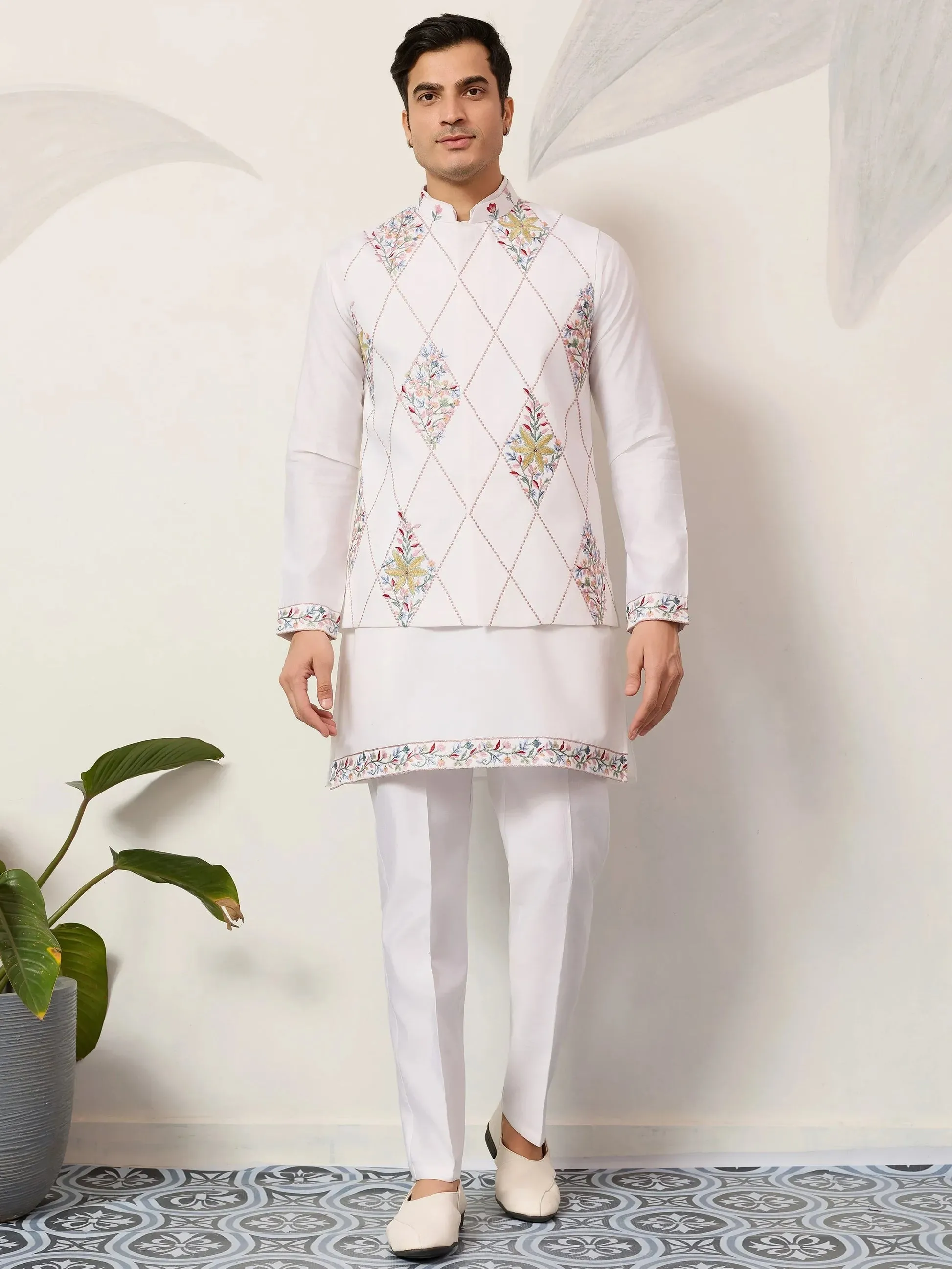
A jacket can turn a familiar kurta into a completely different outfit. This makes layering particularly useful when several wedding events take place over the same weekend.
Try combinations such as:
-
Plain kurta with an embroidered Nehru jacket
-
Textured kurta with a solid waistcoat
-
Ivory kurta with a jewel-tone layer
-
Dark kurta with a subtle woven jacket
-
Minimal kurta with a contrasting stole
Keep one element dominant. If the jacket has a strong pattern or embroidery, the kurta underneath can remain simple.
Get the Trouser and Footwear Combination Right
Bottoms influence how traditional or contemporary the outfit feels. Churidars create a classic tapered line, while straight trousers give kurtas a cleaner modern finish. The colour can either blend with the kurta or provide a controlled contrast.
Footwear should match the event as well. Mojaris and juttis suit traditional ceremonies, while loafers can work with cleaner reception looks. For long events, cushioning and fit matter more than decorative detail.
Wear new shoes at home before the wedding so they are not being tested for the first time during hours of standing.
Check Fit Several Days Before the Event
Last-minute tailoring can create unnecessary stress. Try each complete outfit with its intended bottom, footwear, and layer several days in advance.
Check the shoulders, sleeve movement, trouser length, button placement, and how the kurta sits when seated. If a stole or jacket is part of the look, test that too.
Taking a quick phone photograph is useful because it can reveal proportion issues that are easy to miss in the mirror.
Final Thoughts
A multi-event wedding wardrobe works best when every outfit has a purpose. Different colours, fabrics, layers, and levels of formality can create variety without requiring each look to be heavily decorated.
Planning by event and personal role also makes dressing more comfortable and appropriate. With a few versatile pieces and thoughtful styling changes, men can move through an entire wedding celebration looking distinct at each function without filling the wardrobe with one-use outfits.